
The Shop That Bills the Most Isn't the One With the Most Cars on the Lift
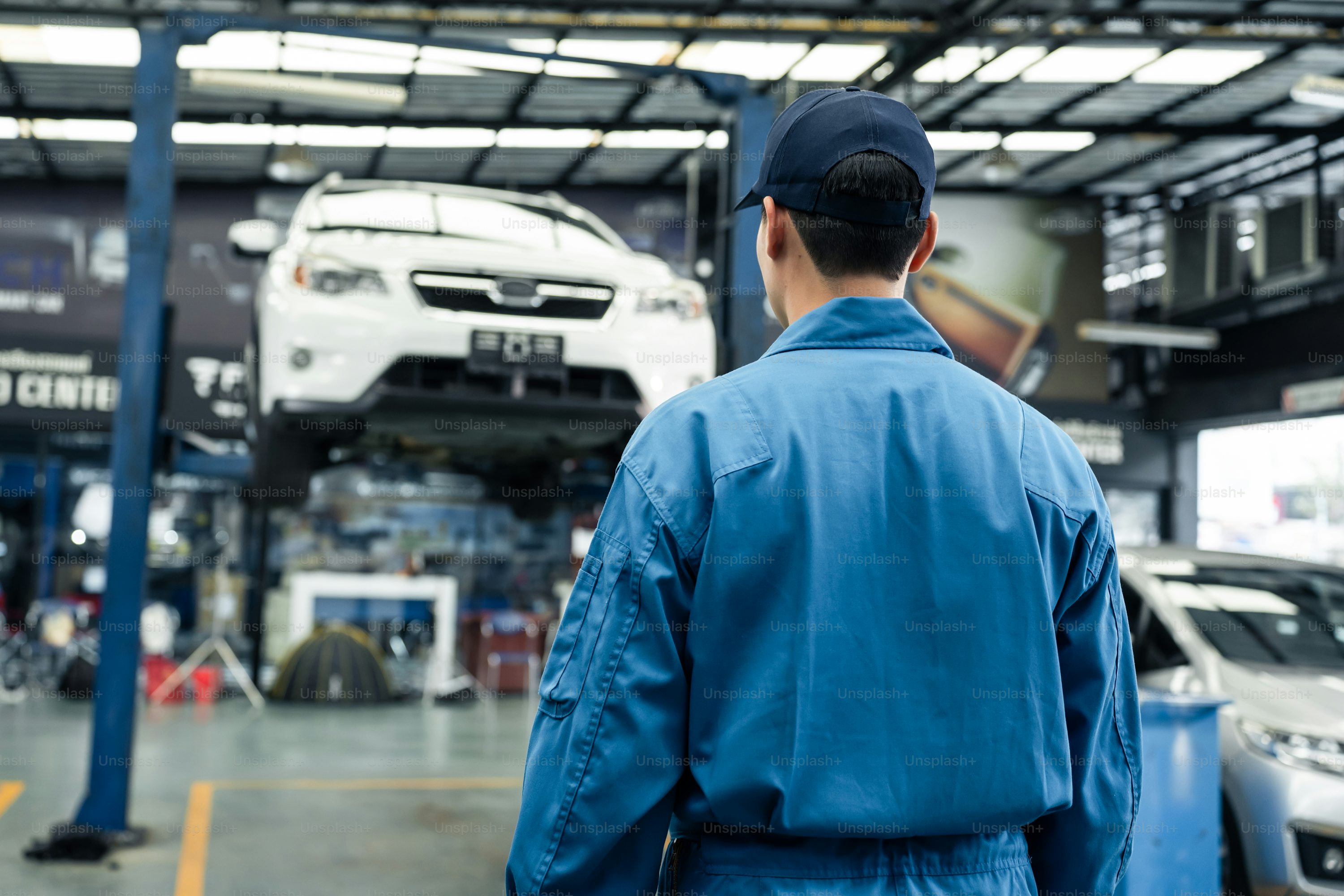
The Problem Isn't Demand. It's That There's No One Left to Pop the Hood.
There's a number that should be on every Spanish auto shop's radar and that almost none of them look at directly: Spain is short 15,000 to 20,000 mechanics to meet current demand. This isn't a market problem — demand is there, with an aging vehicle fleet needing more maintenance than ever. The problem is the shop doesn't have the hands to meet it, and it's paying for that in rejected work, longer turnaround times, and customers who move on to the shop down the street.
What's striking isn't that the problem exists. It's that many shops still treat it as a temporary rough patch instead of what it actually is: a structural problem that demands rethinking how the business runs internally.
The Mistake Almost Every Shop Makes
The most common mistake is assuming the answer to the mechanic shortage is simply "hire more" — when the real bottleneck isn't just how many hands are available, but how much of that time gets wasted on tasks that shouldn't require them at all. A qualified mechanic spending half an hour hunting for a part in a disorganized inventory, or redoing an invoice because the system isn't centralized, is a mechanic who isn't fixing cars. In a sector where every technician is worth their weight in gold, that lost time is revenue that never materializes.
The second mistake, just as common: still managing the shop manually or across scattered systems while mandatory e-invoicing is already pushing the entire sector toward digitalization. Shops treating this as a last-minute legal box to check — instead of an opportunity to centralize inventory, scheduling, and customer service — are leaving on the table exactly the efficiency they need most right now.
And there's a third, quieter mistake: not tracking which failures repeat, by which brand, and how often. Without that data, every complex repair gets approached from zero instead of building on the pattern already seen the week before — a luxury no staff-strapped shop can afford.
What This Means for You
If you run a shop and don't know how much of your technical staff's time goes to admin or management tasks that don't require a mechanic, that's the first number you need before trying to hire in a market where candidates barely exist. If your margin depends on rates set by insurers without clear visibility into your real cost per job, you're negotiating blind at the worst possible time to do so.
With a technical workforce that is, today, your scarcest and most expensive resource to replace, the priority isn't finding more mechanics — it's making sure every hour of the ones you already have goes toward fixing cars, not compensating for the lack of a system.
The Conclusion We Won't Sugarcoat
Your shop doesn't have a mechanic problem. It has a problem with how it uses the ones it already has. And unlike the labor shortage in the broader market, that problem is entirely within your control.
At REGENERING, we help auto shops turn staff scarcity into an operational advantage: less time lost to administration, clearer visibility into real costs, and processes that don't rely on everyone remembering everything. Let's talk about how much technical time your shop is losing today — and what recovering it would mean.